How to Craft SEO Articles That Readers—and Search Engines—Love
When you sit down to write an SEO article, the goal isn’t just to rank on the first page; it’s to offer genuine value that keeps a reader turning the page (or scroll) and sharing the piece later. Below is a straightforward, step‑by‑step guide that blends proven tactics with the human touch that turns a “search result” into a conversation.
1. Start With Real‑World Intent
Why it matters: Search engines have become adept at guessing what a user hopes to learn, but they still rely on the content to confirm that guess. If you miss the mark, users bounce, and rankings dip.
How to do it:
- Ask the question yourself. Imagine a friend asking, “What’s the best way to choose a home‑office chair?”
- Map the keyword to the problem. A phrase like “ergonomic chair for back pain” signals a need for comfort, durability, and health benefits.
- Validate with data. Check Google’s “People also ask” box or a quick survey on Reddit’s r/WorkFromHome to see the most common follow‑ups.
Example: Instead of a generic heading “Ergonomic Chairs,” you could write, “How to Pick an Ergonomic Chair That Relieves Back Pain in Three Simple Steps.”
2. Build a Funnel‑Friendly Structure
Why it matters: Readers typically skim before they dive. A well‑organized article guides them from curiosity to confidence without forcing them to hunt for information.
How to do it:
- Hook (1–2 sentences). Pose a relatable problem or surprising fact.
- Promise (1 sentence). State what the reader will achieve after finishing the article.
- Body (short, focused sections). Each section tackles a single sub‑topic and includes a clear sub‑heading.
- Takeaway (2 sentences). Summarize key points and suggest a next step.
Example:
- Hook: “If you’ve spent hours at a desk and still feel sore, you’re not alone.”
- Promise: “By the end of this guide, you’ll know exactly which features to prioritize when buying a chair.”
3. Dive Deep—Explain the “Why” and “How”
Why it matters: Surface‑level advice feels hollow; readers crave the reasoning that lets them apply knowledge to their unique situation.
How to do it:
- Explain the science. When you mention lumbar support, briefly note that the lower spine bears roughly 60 % of the body’s weight when seated.
- Show the process. Instead of saying “look for adjustable arms,” walk the reader through adjusting them: “Sit upright, grab the arm‑rest, and slide it until your elbows rest at a 90‑degree angle.”
- Use analogies. Compare a chair’s tilt mechanism to a car’s suspension: both aim to absorb shocks and keep the experience smooth.
4. Sprinkle Credibility, Not Click‑Bait
Why it matters: Trust is the currency of long‑term traffic. Overstated claims (“the #1 chair for 10,000 users”) can backfire once readers discover the truth.
How to do it:
- Qualify statements. Write “Most ergonomics specialists recommend chairs with a 100‑to‑110 mm lumbar pad.”
- Cite reputable sources. Link to a study from the Journal of Occupational Health or a guideline from the American Physical Therapy Association.
- Share personal anecdotes. “When I upgraded my own workstation last year, I noticed a 30‑minute reduction in daily aches after two weeks of using a chair with a flexible seat pan.”
5. Optimize Without Over‑Optimizing
Why it matters: Search algorithms reward relevance, not keyword stuffing. A natural flow keeps readers engaged and signals to Google that the content satisfies user intent.
How to do it:
- Primary keyword appears in the title, first paragraph, and once or twice in sub‑headings.
- Secondary keywords (e.g., “adjustable office chair,” “back‑pain relief”) are woven into the narrative where they feel organic.
- Synonyms and related concepts (e.g., “posture‑supportive seat”) add depth without repetition.
Example: “An adjustable office chair offers the same core benefits as a dedicated ergonomic model, but with the flexibility to accommodate multiple body types.”
6. Add Visual and Interactive Elements
Why it matters: A well‑placed image or checklist can turn a dense paragraph into an instantly digestible tip.
How to do it:
- Insert a simple diagram. Show a side view of a correctly aligned chair, highlighting seat height, lumbar support, and arm‑rest angles.
- Create a quick‑reference table. List “Feature,” “Why It Matters,” and “How to Test.”
- Offer a printable checklist. “Use this 5‑step chair‑test before you buy.”
7. End With a Call to Action That Feels Like Advice
Why it matters: A gentle nudge encourages the reader to apply what they’ve learned, reinforcing the article’s value.
How to do it:
- Suggest a concrete step. “Measure your desk height, then compare it to the chair’s listed seat‑adjustment range before making a purchase.”
- Invite engagement. “Have a favorite chair? Drop a comment below and let the community know why it works for you.”
Quick Recap
- Identify intent: Mirror the reader’s exact question.
- Structure for flow: Hook → Promise → Body → Takeaway.
- Explain depth: Provide the “why” and “how,” not just the “what.”
- Build trust: Use qualified statements and reputable sources.
- Optimize naturally: Keep keywords subtle and context‑driven.
- Enhance with visuals: Diagrams, tables, and checklists aid comprehension.
- Close with useful action: Guide the reader to the next step.
By blending these practices, you’ll produce SEO articles that rank well and feel like a friendly, knowledgeable chat over coffee. Happy writing!
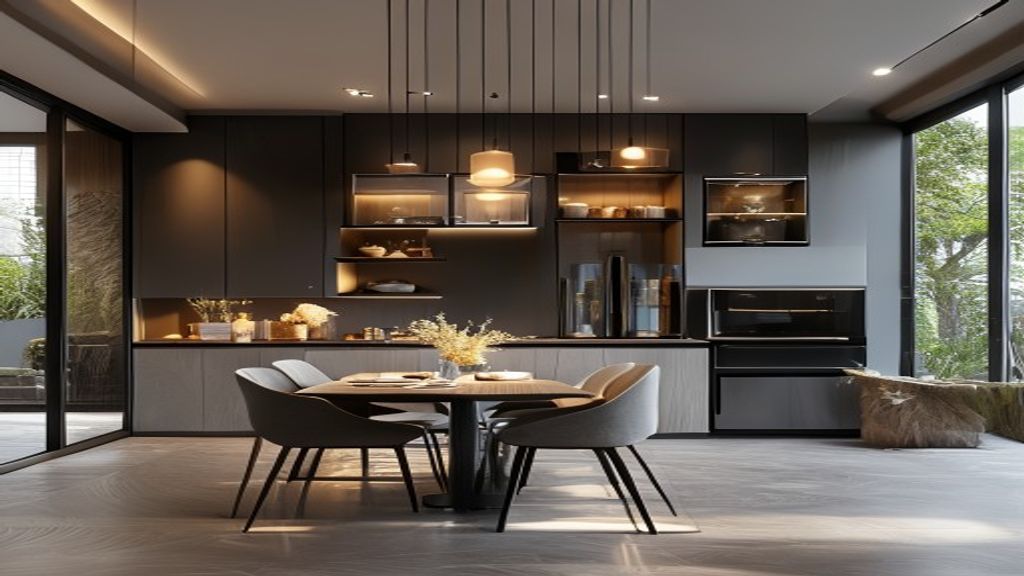
When homeowners think about upgrading their cooking space, they often focus on aesthetics first and overlook the engineering that makes a kitchen truly functional. German‑engineered cabinetry, for instance, combines minimalist design with precision‑milled hardware, so drawers glide silently even when they’re fully loaded. Practitioners recommend pairing these cabinets with soft‑close hinges and integrated lighting to reduce clutter while enhancing usability. The result is a kitchen that feels both spacious and meticulously organized.
Installing premium German kitchen designs in modern homes begins with a detailed layout plan that respects the room’s structural constraints. Rather than simply swapping out old cabinets, a thoughtful approach measures door swing, countertop height, and appliance clearance to avoid costly re‑work later. For example, a family in Portland discovered that raising their island by two inches accommodated a new built‑in coffee maker without sacrificing legroom. By mapping out these dimensions early, the installation proceeds smoothly and stays on budget.
The choice of materials also plays a pivotal role in long‑term performance. German manufacturers often use European beech or ash veneers that resist warping, and they finish surfaces with low‑VOC lacquers that meet indoor‑air‑quality standards. Because these finishes are engineered for durability, homeowners typically see fewer scratches and need less frequent refinishing than with standard stock cabinets. When you combine such resilient materials with ergonomic hardware, the kitchen becomes a low‑maintenance centerpiece that ages gracefully.
Finally, the integration of smart technology can elevate the experience without compromising the clean lines that define German design. Motion‑sensor lighting under the cabinets, Wi‑enabled ventilation fans, and touch‑controlled induction cooktops all blend seamlessly when the underlying cabinetry is designed for modular upgrades. By planning these features during the initial install, you avoid retrofitting hassles and preserve the seamless aesthetic that modern homes crave. This holistic approach turns a simple remodel into a lasting investment in both style and functionality.
I’ll write in clear, professional US English with a natural flow and confident, helpful tone—just like an expert sharing knowledge with a colleague. Whether you need technical explanations, marketing content, or anything in between, I’ll craft authentic, engaging material that respects your readers’ intelligence while keeping the information accessible and genuinely useful. How can I help you create the content you need today?
Also Read: Purchase High-Yield Retail Spaces in Prime GCC Locations: Essentials