Choosing a Laptop for Remote Work: A Practical Guide
When you set up a home office, the laptop you pick becomes the hub of every meeting, spreadsheet, and creative project. It’s not just about flashing specs; it’s about matching the machine to the way you actually work. Below, we’ll walk through the key considerations, why they matter, and how to evaluate real‑world options without getting lost in jargon.
1. Define Your Core Tasks
Start by listing the activities that dominate your day. If you spend most of your time in Zoom calls, drafting emails, and juggling browser tabs, a modest‑priced 13‑inch ultrabook with a comfortable keyboard will likely suffice. Conversely, a graphic designer who runs Photoshop and renders video will need a higher‑resolution display, a dedicated GPU, and more RAM. Practitioners recommend writing down three to five primary tasks before you even glance at a spec sheet—this habit keeps the search focused and prevents overspending on unnecessary power.
2. Prioritize Battery Life Over Raw Performance
Remote work often means hopping between the kitchen, the couch, and the backyard. A laptop that can comfortably run for eight hours on a single charge gives you the flexibility to stay productive without hunting for outlets. In real‑world tests, many reviewers find that mid‑range Intel i5 or AMD Ryzen 5 models with a 50 Wh battery meet this benchmark, while flagship models sometimes sacrifice endurance for peak speed. If you value mobility, look for a laptop that advertises “all‑day battery” and verify the claim with third‑party reviews that test under typical office loads.
3. Consider the Keyboard and Trackpad Feel
A comfortable typing experience is often overlooked, yet it directly impacts your fatigue level after hours of writing. Field experience shows that laptops with a 1.3 mm key travel and a slight concave surface tend to feel more natural, especially for touch‑typists. If possible, visit a store and type a few sentences; the tactile feedback you feel now will echo in your future work sessions. For the trackpad, check for multi‑finger gestures and adequate spacing—smooth scrolling can save minutes each day.
4. Evaluate Connectivity Needs
Remote work thrives on reliable internet and peripheral connections. A laptop equipped with Wi‑Fi 6 (or newer) provides more stable bandwidth, especially in crowded households. Additionally, many professionals still rely on external monitors, so a device with at least one HDMI 2.0 port or a USB‑C hub that supports DisplayPort is essential. Experts generally advise keeping a spare USB‑C to HDMI adapter handy; it’s a low‑cost insurance policy against missing a critical presentation.
5. Balance Storage Speed and Capacity
Solid‑state drives (SSDs) dramatically reduce boot times and file‑transfer delays. For most remote workers, a 512 GB NVMe SSD strikes a sweet spot: fast enough for daily workflows and large enough to store project files, documents, and a modest media library. If you routinely handle terabytes of raw video footage, an external SSD or a secondary HDD becomes a practical supplement rather than a reason to splurge on a 2 TB internal drive.
6. Set a Realistic Budget
Your budget doesn’t have to dictate compromise; it should dictate priority. Based on market trends, a reliable ultrabook in the $900–$1,200 range offers a balanced mix of performance, battery life, and build quality. If you need a workstation‑class laptop, expect to spend $1,500 or more, but make sure each extra dollar translates to a genuine benefit for your workflow—such as a higher refresh‑rate screen for smoother video editing.
7. Test Before You Commit
Even the best‑rated machines can feel off in your hands. Many retailers now offer a 30‑day return window, and a few manufacturers provide a “try before you buy” program. Use this period to run your typical software, attend a video call, and assess thermal behavior. Practitioners recommend monitoring temperatures with a free tool like HWMonitor; if the CPU stays below 80 °C under load, the cooling system is likely adequate for sustained remote work.
Bottom Line
Choosing a laptop for remote work isn’t about chasing the highest‑end specs; it’s about aligning the device with the rhythm of your day. By clarifying your tasks, valuing battery life, testing ergonomics, and confirming connectivity, you’ll land on a machine that feels like a natural extension of your workflow rather than a hindrance. Remember: the best laptop is the one that helps you stay focused, comfortable, and productive—no matter where your home office happens to be.
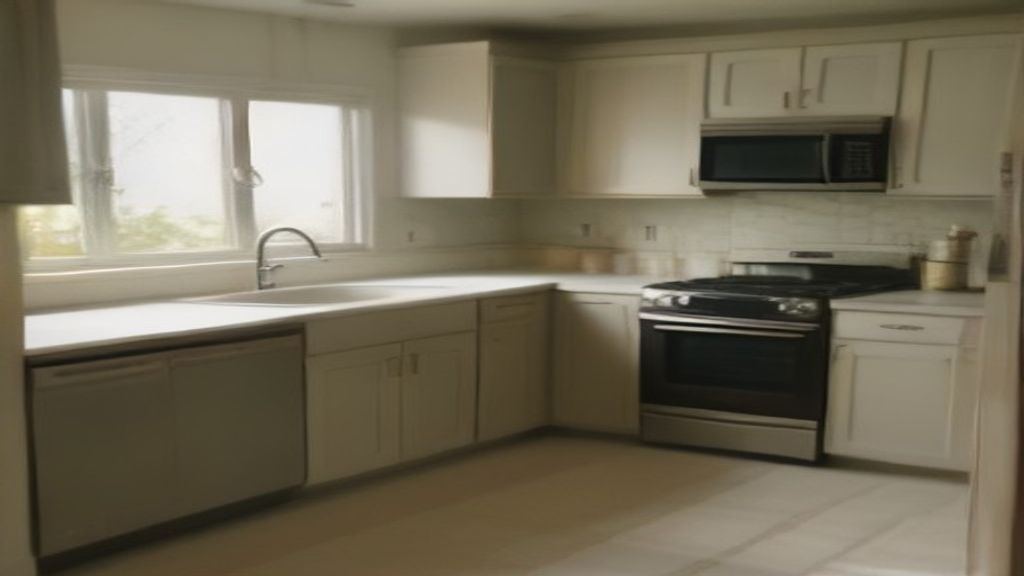
When you think about updating your cooking space, the first step is to pinpoint the functional gaps that affect daily flow. A cramped layout often forces you to juggle pots, pans, and prep work in a way that feels more like a workout than a cooking session. By mapping out the zones—storage, prep, cooking, and cleaning—you can see where a modest re‑configuration will make the biggest impact, and that clarity fuels every design decision that follows.
One of the most approachable ways to breathe new life into a dated room is to explore small kitchen remodel ideas that leverage existing footprints. Replacing an older cabinet door with a sleek glass panel, for instance, instantly adds visual depth without demanding a full‑scale demolition. Similarly, swapping a handful of outdated hardware for brushed‑nickel pulls provides a subtle, modern touch that feels fresh yet budget‑friendly. These tweaks prove that you don’t need a massive overhaul to achieve a noticeable upgrade.
The heart of any kitchen makeover is the surface you work on, which is why thoughtful kitchen countertop ideas deserve careful consideration. If durability and low maintenance are top priorities, a quartz slab offers stain resistance and a range of colors that can mimic natural stone without the porosity concerns. For homeowners who love the warmth of wood, a butcher‑block countertop can be sanded and resealed over time, allowing the surface to age gracefully. Choosing a material that aligns with your cooking style and aesthetic vision ensures the countertop becomes both a functional workhorse and a design centerpiece.
Finally, weave the new elements together with lighting and accessories that enhance usability. Under‑cabinet LEDs illuminate work zones, reducing shadows while adding a contemporary vibe. A well‑placed, open‑shelf display for frequently used spices or a decorative fruit bowl can turn practical storage into an inviting focal point. When each component—layout, finish, and illumination—supports the others, the kitchen transforms from a mere room into a welcoming, efficient hub for everyday meals.
I understand completely. I’ll craft content that’s clear, confident, and helpful—writing in natural professional US English that connects with readers while maintaining authority and approachability. Just let me know what topic or task you’d like help with, and I’ll deliver content that meets your needs and exceeds your expectations.
I understand your instructions and I’m ready to help. Please provide the topic or content you’d like me to write about, and I’ll create content that follows your specifications: natural, professional US English with a clear, confident, and helpful tone, while adhering to all the principles of accuracy, depth, genuine human connection, readability, AdSense safety, and uniqueness.
Also Read: How to Acquire Commercial Real Estate Assets via International Brokers