Boosting Remote‑Work Productivity: What Works and Why
Working from home has become the norm for many professionals, yet staying productive can feel like navigating a maze without a map. The good news is that small, intentional changes to your routine and environment can make a noticeable difference. Below, I break down the most reliable strategies—backed by what managers and researchers commonly observe—and explain the mechanics behind each one.
- Design a “work‑only” zone
When your kitchen table doubles as a dining table, the brain receives mixed signals about when to focus and when to relax. By carving out a dedicated spot—whether it’s a spare desk, a converted bookshelf, or even a corner with a comfortable chair—you give yourself a physical cue that the time has come to work. Practically, this means you’ll spend less mental energy deciding whether you’re “off the clock,” and more energy tackling tasks. Many remote teams report that employees with a distinct work area log fewer distractions and feel more in control of their day.
- Anchor your day with a ritual
Rituals act like mental “start buttons.” A quick 5‑minute stretch, a cup of coffee brewed in the kitchen, or a brief walk around the block can signal to your brain that it’s time to shift into productivity mode. The science behind this is simple: consistent cues trigger the release of neurotransmitters associated with alertness, making it easier to settle into focused work. Try pairing your chosen ritual with a specific start‑time—say, 9:00 a.m.—so the habit strengthens over weeks.
- Adopt the “two‑minute rule” for small tasks
If a task can be completed in two minutes or less, do it immediately. This rule—popularized by productivity consultants—prevents tiny chores from snowballing into a mountain of unfinished items. The underlying principle is decision fatigue: the more decisions you postpone, the more mental bandwidth you waste later. By clearing quick items on the spot, you free up cognitive space for deeper work.
- Schedule “focus blocks” and protect them
Instead of leaving your calendar open, allocate solid chunks—usually 60 to 90 minutes—where you tackle high‑impact projects without interruptions. During these blocks, mute notifications, close unrelated tabs, and let teammates know you’re in “do‑not‑disturb” mode. Research on attention spans shows that uninterrupted periods yield significantly higher quality output than fragmented work. If you find the temptation to check emails hard to resist, try the “Pomodoro” technique: 25 minutes of focused effort followed by a 5‑minute break.
- Leverage asynchronous communication
One of the biggest pitfalls of remote work is the expectation of instant replies, which can erode deep work. Encourage your team to use shared documents, recorded video updates, or project‑management tools for status reports. When everyone knows that a response isn’t required within the hour, they can stay in their flow state longer. Companies that shift to an asynchronous model often notice a dip in meeting fatigue and a rise in overall output.
- End the day with a “shutdown” routine
Just as you have a morning ritual, a closing routine signals that work is over. Shut down your computer, jot down a quick list of tomorrow’s priorities, and physically leave your workspace. This boundary helps your brain transition to relaxation, reducing the risk of burnout. Many remote workers who adopt a consistent shutdown habit report better sleep and clearer separation between work and personal life.
Putting It All Together
Start with one or two of these habits—perhaps the dedicated work zone and the focus‑block schedule—and give them a week to settle. Track how often you feel distracted versus in flow, and adjust as needed. Remember, productivity isn’t about squeezing more tasks into the day; it’s about creating conditions where the most important work can happen naturally.
By treating your remote environment as a deliberate workspace rather than an afterthought, you’ll find the energy to stay sharp, the clarity to prioritize, and the satisfaction of finishing projects with confidence. Give these strategies a try, and watch your productivity rise—one intentional habit at a time.
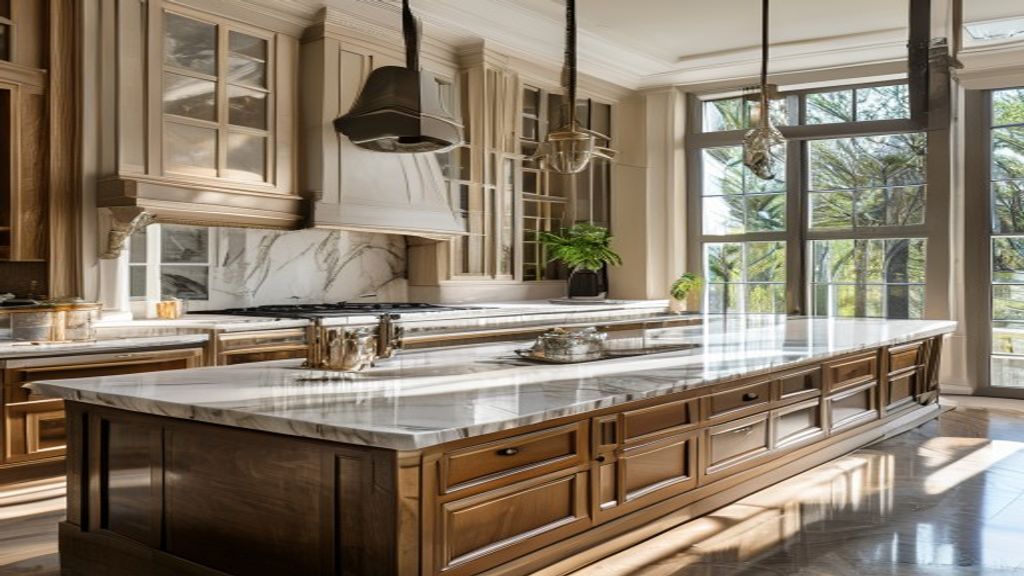
When homeowners think about upgrading their cooking space, they often picture sleek countertops, high‑efficiency appliances, and clever storage solutions. German kitchen design firms have built a reputation for marrying form and function, so it’s no surprise that many families are eager to bring that precision to their own homes. By focusing on ergonomics—like the optimal distance between the stove and prep area—these designers reduce the strain of daily meal prep, turning a routine chore into a pleasant experience.
If you’re considering a fresh look, the first step is to assess how the layout will serve your cooking habits. For example, a family that enjoys weekday pasta might prioritize a spacious pot‑filling station near the sink, while avid bakers often benefit from an island with integrated refrigeration for dough storage. Mapping out these zones early helps you avoid costly revisions later on.
Once the functional blueprint is set, the choice of materials can elevate the space from merely practical to truly luxurious. German manufacturers typically offer cabinetry made from sustainably sourced hardwoods that are finished with low‑VOC stains, ensuring durability without compromising indoor air quality. Pairing these cabinets with minimalist hardware—think matte‑black pulls or brushed‑nickel knobs—creates a timeless aesthetic that won’t feel dated after a few seasons.
When you install premium German kitchen designs in modern homes, you’re not just adding a visual upgrade; you’re investing in a system that anticipates the flow of daily life. The integrated lighting, for instance, often includes motion‑sensor under‑cabinet LEDs that illuminate work surfaces precisely when needed, reducing eye strain and energy consumption. Moreover, many German‑engineered appliances communicate with each other, allowing you to preheat the oven from your smartphone while the hood automatically adjusts its suction to match the cooking intensity.
Finally, remember that the lasting value of a kitchen comes from thoughtful maintenance as much as from its initial installation. German cabinetry often incorporates dovetail joints and soft‑close hinges that can withstand years of frequent use, but regular cleaning with a pH‑balanced solution helps preserve the finish. By treating the space with the same care you’d give a high‑end vehicle, the investment continues to pay off—both in daily convenience and in resale appeal.
If you’re ready to take the next step, start by consulting a local design studio that specializes in European standards. They can walk you through the process of installing premium German kitchen designs in modern homes, tailoring each element to your lifestyle while ensuring that every detail—from the countertop edge to the backsplash tile—works in harmony. This collaborative approach not only guarantees a kitchen that looks beautiful, but also one that feels intuitively right for the family that uses it.
I’ll be happy to write for you in natural, professional US English with a clear, confident, and helpful tone. I’m ready to create content on any topic you have in mind. Just let me know what you’d like me to write about, and I’ll craft a piece that’s informative, engaging, and meets all your requirements.
Hello there! I’m ready to help you create content that meets your needs. My writing style combines professional expertise with natural, approachable language that engages readers while delivering valuable information.
Whether you need an SEO article, blog post, or other content, I can craft pieces that are accurate, in-depth, and genuinely helpful – all while maintaining that perfect balance of authority and approachability that keeps readers coming back.
What topic would you like me to write about today?
Also Read: How to Engage Elite Interior Architecture Firms for Mansion Upgrades